

FAQs
Contact Us
- Gavin Yuan
- [email protected]
- +86 19853162275
- Mon – Sun. 9.00 – 20.00
- +86 19853162275
- No. 9, Luoshan Road, Xuzhou Economic and Technological Development Zone, Jiangsu Province, China
Section 1: Product Selection
Q1: How do I choose the right laser nozzle for my cutting machine?
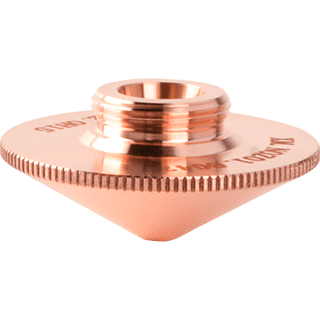
Send the cutting head brand and full model, the old nozzle part number or clear photos, and any available drawing. Include the nozzle dimensions, thread, structure and required orifice size, together with your material, thickness and assist gas. Matching dimensions alone does not establish compatibility. Use the equipment manufacturer’s process guidance for cutting settings.
Q2: What is the difference between single-layer and double-layer laser nozzles?
The terms describe different nozzle constructions. The appropriate design depends on the cutting head and its validated process requirements. Do not select a nozzle from gas type alone. Send the original part number and operating application for a model-specific check.
Q3: What nozzle sizes do you offer?
Check the individual product listing and send your required outer diameter, height, thread, structure and orifice size. Availability and the final specification need to be confirmed for the requested item and quantity before ordering.
Q4: What are high-pressure (boost) nozzles? When should I use them?
This name can refer to a nozzle design intended for a particular cutting process. Confirm the exact part and its rated operating conditions against the cutting head documentation. Poor cut quality alone does not establish that a different nozzle or higher gas pressure is appropriate.
Q5: Can you provide free samples before I place a large order?
Please send the product specification, sample quantity and delivery destination. Sample availability, charges and shipping terms will be confirmed in the quotation. Free samples or freight are not assumed.
Q6: What materials are your nozzles made of?
Material and surface treatment depend on the specific part. Please identify the SKU and request the material specification and any required documentation before ordering. A general product category does not establish a particular material grade or certification.
Q7: How do I select Raytools laser protective lenses?
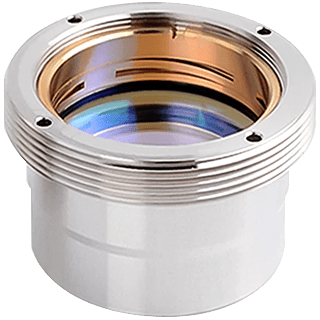
Provide the full cutting head model, the protective window position, the original part number and the required dimensions. Check the optical specification and coating requirements against the manufacturer’s documentation. Similar dimensions or model names alone do not establish compatibility. Product origin, price and availability must be confirmed for the quoted item.
Q8: How do I know when to replace laser protective lenses?
Use the inspection and replacement criteria in the cutting head manufacturer’s manual. If damage or contamination is suspected, follow the prescribed shutdown and inspection procedure before resuming operation. There is no single replacement interval that applies to every installation.
Q9: How do I select and maintain capacitive sensor probes?
Identify the complete cutting head model and the original sensor or assembly part number. Confirm the mechanical and electrical interfaces from the manufacturer’s documentation. Installation, calibration and maintenance should follow the instructions for that specific system.
Q10: What materials can handheld laser marking machines mark?
Suitability depends on the particular marking system, laser source, material and required result. Send the material grade, surface finish, marking area and a sample of the intended mark. Request confirmation for a specific machine configuration and sample result before selecting equipment.
Q11: What cutting head spare parts do you offer?
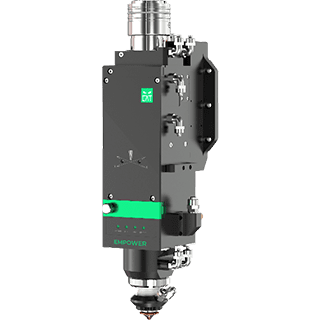
Browse the nozzle, ceramic ring, lens and related accessory categories, then send the full cutting head model and the part number you need. The available replacement and its compatibility must be checked for the specific assembly before quotation.
Q12: Do you offer lens cleaning and maintenance tools?
Send the lens or cutting head model and the maintenance items you require so availability can be checked. Use only cleaning materials and procedures approved for the particular optic and coating. This enquiry does not confirm that a cleaning kit is currently stocked.
Technical Support
1.How often should I replace laser nozzles?
Follow the equipment manufacturer’s inspection criteria and assess the actual nozzle condition. Record the part number, operating conditions and observed damage when requesting help. A fixed replacement schedule cannot be inferred from usage intensity alone.
2.My nozzle keeps clogging. What should I do?
Follow the equipment’s prescribed shutdown procedure before inspection. Record the nozzle and head models, assist gas, process settings and photos of the issue. Compare the setup with the manufacturer’s process documentation; do not change gas pressure or standoff to a generic value from an FAQ.
3.How do I clean and maintain laser lenses?
Follow the instructions for the exact optic and coating, including the approved cleaning fluid, consumables and handling method. Do not substitute a general cleaning procedure for the manufacturer’s instructions. If the optic is damaged or its condition is uncertain, request qualified inspection.
4.What should I do when cutting produces excessive slag?
Record the material, thickness, machine and cutting head models, nozzle part number, gas and current settings, together with photos of the cut. Review these against the validated process documentation. Slag can have several causes, so increasing pressure or changing focus without diagnosis is not a reliable solution.
5.Cutting Head Daily Maintenance Checklist
Use the checklist and intervals specified for your cutting head and machine. Keep records of inspections, consumable changes, faults and service work. Internal optics, alignment and repairs should be handled by personnel qualified for the equipment.
6.How do I set cutting parameters for different materials?
Start with the machine manufacturer’s process data for the exact configuration, material and thickness. Validate the result using the approved setup procedure. This page does not provide universal power, speed, gas pressure or nozzle settings.
7.How do I handle lens fogging or condensation?
Stop operation according to the equipment manual and arrange inspection of the optic and relevant gas and cooling systems. The cause needs to be identified before operation resumes. Request model-specific guidance rather than applying a universal humidity threshold or replacement rule.
8.How do I know if my cutting head needs professional repair?
Persistent faults, suspected optical damage or abnormal performance should be assessed using the manufacturer’s troubleshooting and service procedures. Provide the full model, fault codes and service history when requesting assistance. Symptoms alone do not identify a failed part.
Orders & Services
1. What is your minimum order quantity (MOQ)?
Send the SKU, specification and required quantity. The applicable MOQ and sample options will be confirmed in the quotation for that item.
2. What payment methods do you accept?
Payment method, currency and payment schedule must be confirmed in the quotation and order documents. This FAQ does not establish credit terms or a deposit schedule.
3. How long is the delivery time?
Lead time depends on the confirmed specification, quantity, availability and delivery destination. Request the production or dispatch estimate and shipping terms in your quotation. Dispatch time and carrier transit time are separate estimates.
4. Will I be charged customs duties or import taxes?
Charges depend on the destination, product classification, origin and agreed shipping terms, as well as current local rules. Confirm responsibilities in the quotation and check with your customs broker or local authority. This page does not promise a duty-free threshold or tax collection at checkout.
5. Do you provide OEM / ODM services?
Send your drawing, specifications, quantity and branding requirements for review. Feasibility, sample approval, MOQ, cost and lead time must be confirmed for the proposed project before an order is accepted.
6. What quality certifications do your products hold?
Tell us the exact product and the documentation required for your market. Request the applicable documents for review before ordering. A management-system certificate does not establish product certification, and certification must not be assumed to cover the full catalogue.
7. What discounts do you offer for wholesale buyers and agents?
Send the product list, quantities and proposed cooperation requirements for a quotation. Pricing and any distributor arrangement must be agreed in writing. No automatic discount, exclusivity or brand authorization is established by this FAQ.
8. How do I contact you for a quote or inquiry?
Use the Request a Quote page or the contact channels displayed on this website. Include the product URL or part number, quantity, destination and any drawings or photos needed to identify the item. Response timing will depend on the enquiry and information required.