
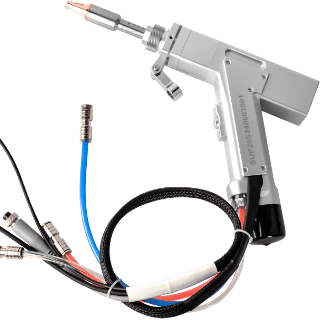

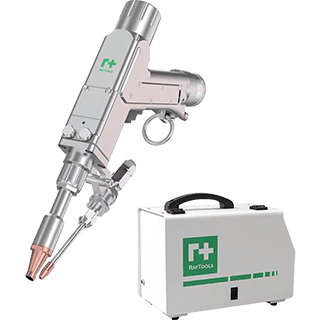
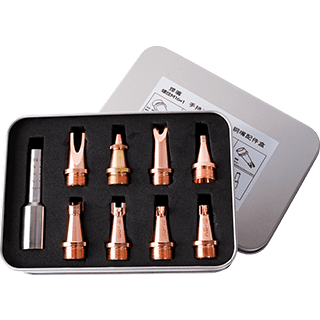
To identify a fiber laser cutting head sealing ring, start with the head model, seal location and original part reference. Then record the seal’s profile and the dimensions specified in the drawing. A matching outside diameter or similar color does not establish that a replacement is correct.
This guide helps purchasing and maintenance teams prepare a checkable parts inquiry. It does not provide a universal seal-size chart, material substitution or installation specification for every cutting head.
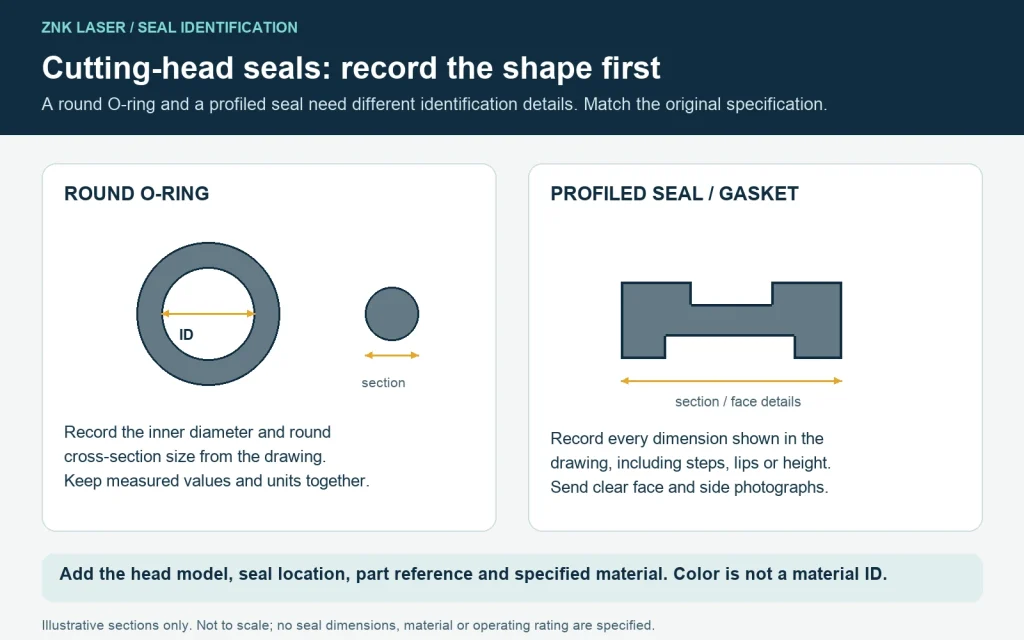
Open the full-size identification diagram to inspect the labels. The illustration explains identification only; it is not a dimensioned product or compatibility drawing.
First identify where the seal belongs
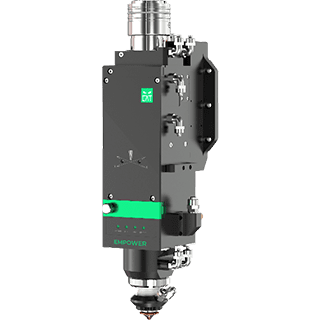
A parts request that says only “laser head sealing ring” leaves the component location unclear. Use the head manufacturer’s exploded view or parts list to identify the exact seal position. Include the relevant assembly, drawer or holder reference and a photograph of the location when safely accessible.
Keep upper and lower protective-window seals on separate inquiry lines. Do the same for seals from different head models or revisions. A part that appears in one model’s list is not automatically suitable for another version.
Is it a round O-ring or a profiled seal?
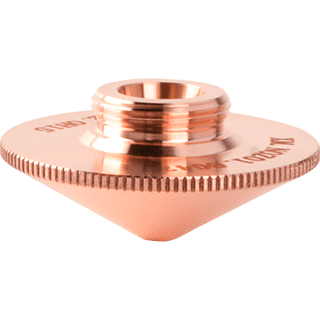
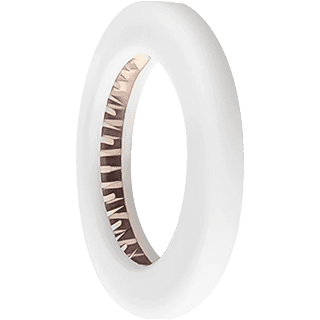
A conventional O-ring has a circular cross-section. A profiled seal can have steps, lips or other shaped features, so describing it with only one diameter can omit important geometry. Use a side-view photograph or the specified section drawing to show the difference.
Do not flatten a shaped seal into an assumed O-ring specification. If a catalog gives three or four numbers, preserve the complete string and ask for the dimension legend. Those values may describe several features; their order is not guaranteed to match another supplier’s naming system.
| Information | What to record | What to avoid |
|---|---|---|
| Head identification | Full model, version and nameplate photo. | Using machine power as the only identifier. |
| Seal position | Assembly or holder reference from the parts diagram. | Assuming upper and lower seals are identical. |
| Geometry | Inner/outer diameters and section or height dimensions as labeled in the drawing. | Guessing the meaning or order of unlabeled numbers. |
| Material and rating | The manufacturer’s material designation and requirements, when available. | Identifying material from color or appearance. |
How to document dimensions without losing context
- Start from the original specification. An original drawing or packaging reference is preferable to reverse engineering a used seal.
- Identify the profile. Photograph both faces and the side. Include any step, lip or groove visible on the removed part.
- Label each dimension. Keep inner diameter, outer diameter, cross-section and height separate. Include units and the drawing’s dimension labels.
- Describe the condition. Note stretching, flattening, cuts or other visible damage. Measurements of a used part may no longer represent its nominal specification.
- Keep uncertainty visible. If a field is unknown, say so and send the available reference. Do not turn an approximate measurement into a confirmed nominal size.
For a conventional round O-ring, nominal outer diameter equals inner diameter plus twice the circular cross-section diameter. This is a geometry relationship, not a method for approving a replacement. It does not describe the full geometry of a stepped or lipped seal, and it does not identify material or operating suitability.
Why a size match is not the whole specification
Mechanical dimensions are only part of seal selection. Ask for the material designation and the requirements associated with the original part. Color alone is not sufficient evidence of the material, hardness or resistance to the operating environment.
Likewise, do not choose a substitute because a listing says “high temperature” or because another machine uses a similar ring. A replacement needs to match the head manufacturer’s specification for that location. Where the original designation is missing, request a technical review rather than making a material substitution.
Copy this sealing-ring inquiry template
Subject: Sealing-ring inquiry — [head model / assembly]
Cutting-head brand, complete model and version:
Seal position / assembly reference:
Original part number or packaging reference:
Profile: round O-ring / shaped seal / unknown:
Dimensions and units, with drawing labels:
Specified material or rating, if documented:
Condition of the removed part:
Quantity:
Attached drawing, label and face/side photos:
Fields that need identification:
Frequently asked questions
Can I order using only an outside diameter?
An outside diameter alone does not describe the inner diameter, section, profile, material or installation position. Include the full reference and drawing wherever possible.
Does a four-number size mean a standard round O-ring?
Do not assume so. Keep all numbers and ask how each dimension is defined. A section drawing is especially useful for shaped seals.
Can I copy the dimensions from an old seal?
Measurements can support identification, but a used seal may be stretched, compressed or damaged. Compare them with the nominal drawing or original part reference before selecting the replacement.
Prepare a separate line for every seal position
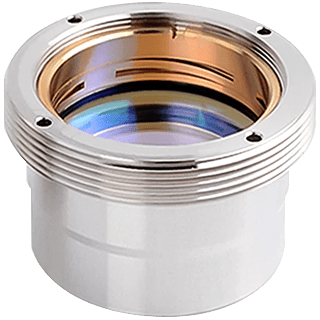
Browse our cutting-head sealing rings and use the consumables buying guide if your request also includes nozzles, ceramic rings or optics. If the seal belongs to an optical holder, identify the optical component and its position too.
Request a seal identification and quotation review. Attach the head model, part reference and labeled dimensions. The website accepts inquiries and does not accept online payment; selection and quotation terms are confirmed individually.