


Nozzle maintenance starts with a consistent record of the part and the symptom. If cut quality changes or the nozzle becomes unusually hot, keep the original part details and note what changed. Use the machine manufacturer’s inspection and maintenance procedures before making adjustments.
Record the symptom before replacing parts
Record when the problem appeared, whether it followed a collision or a part change, and whether it occurs throughout the job or only under particular conditions. Keep photos of the nozzle and the cut edge with the relevant job information.
Use these observations to prepare an inspection request. They do not establish a cause on their own, and a warm or discolored nozzle is not proof that a different nozzle type will solve the problem.
Check visible condition using the approved procedure
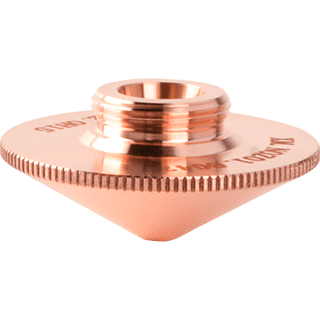
When the equipment is in the safe condition required by its manufacturer, inspect for deformation, discoloration, visible damage and a damaged opening. Compare the removed part with the original specification.
Do not enlarge the opening or repair the mounting interface as a substitute for an approved replacement. Ask the manufacturer which cleaning method and replacement criteria apply to the exact part.
Escalate unusual heating as a system check
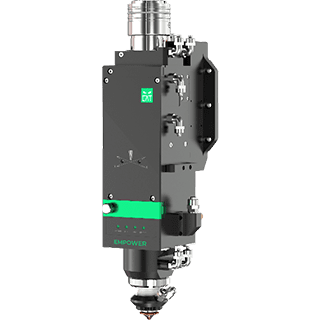
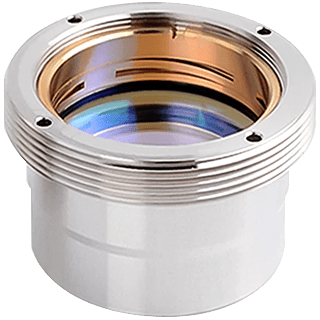
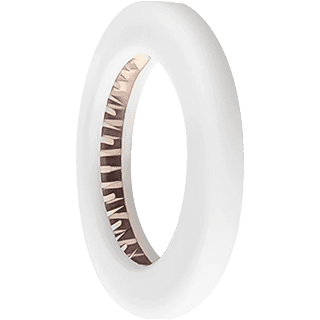
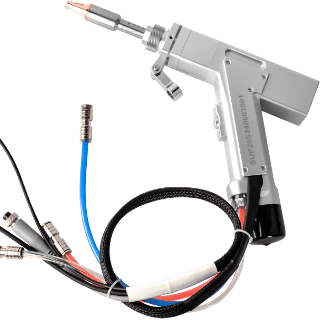
A nozzle heating review may need more than the nozzle itself. Ask a qualified service technician to review nozzle alignment, the lower protective window and the head’s specified gas or air arrangement under the manufacturer’s procedure.
Record the hardware inspection outcome before considering process changes. This article does not provide instructions for optical alignment, opening the head or changing gas pressure and focus.
| Inspection record | Information to keep |
|---|---|
| Part identity | Head model, nozzle reference, opening and replacement date. |
| Visible condition | Photos of the opening, external damage, discoloration and mounting area. |
| Cutting symptom | Material, thickness, job reference and a representative cut-edge photo. |
| Service review | Checks performed under the manufacturer’s procedure and the person responsible. |
Use a repeatable replacement review
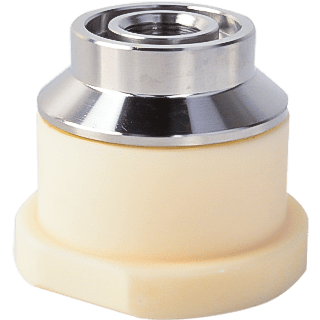
For a named inquiry, keep the BOCI D28 H15 M11 DE reference separate from the D25 H20 M12 Type-A reference. These links identify individual catalogue entries; they do not prescribe a replacement for an unidentified head.
For a proposed replacement, check the labeled dimensions, thread, opening and internal construction against the old part. A matching outside diameter alone is not an acceptance test.
After approved maintenance, use the manufacturer’s commissioning checks and record the result before returning to normal production. Compare like-for-like jobs when reviewing whether the symptom has improved.
Related guides and inquiries
This website currently accepts inquiries only; online payment and shipping are not available.