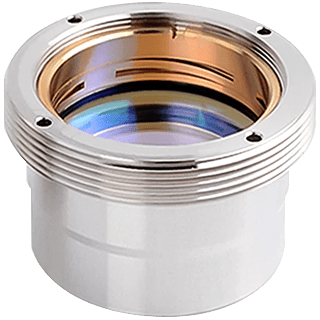
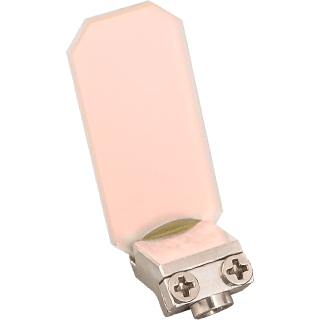
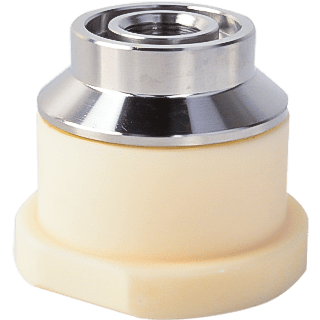
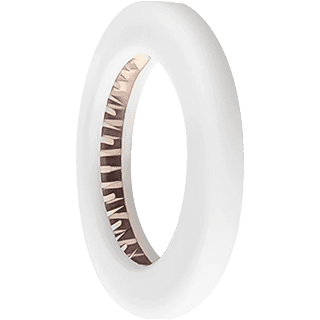
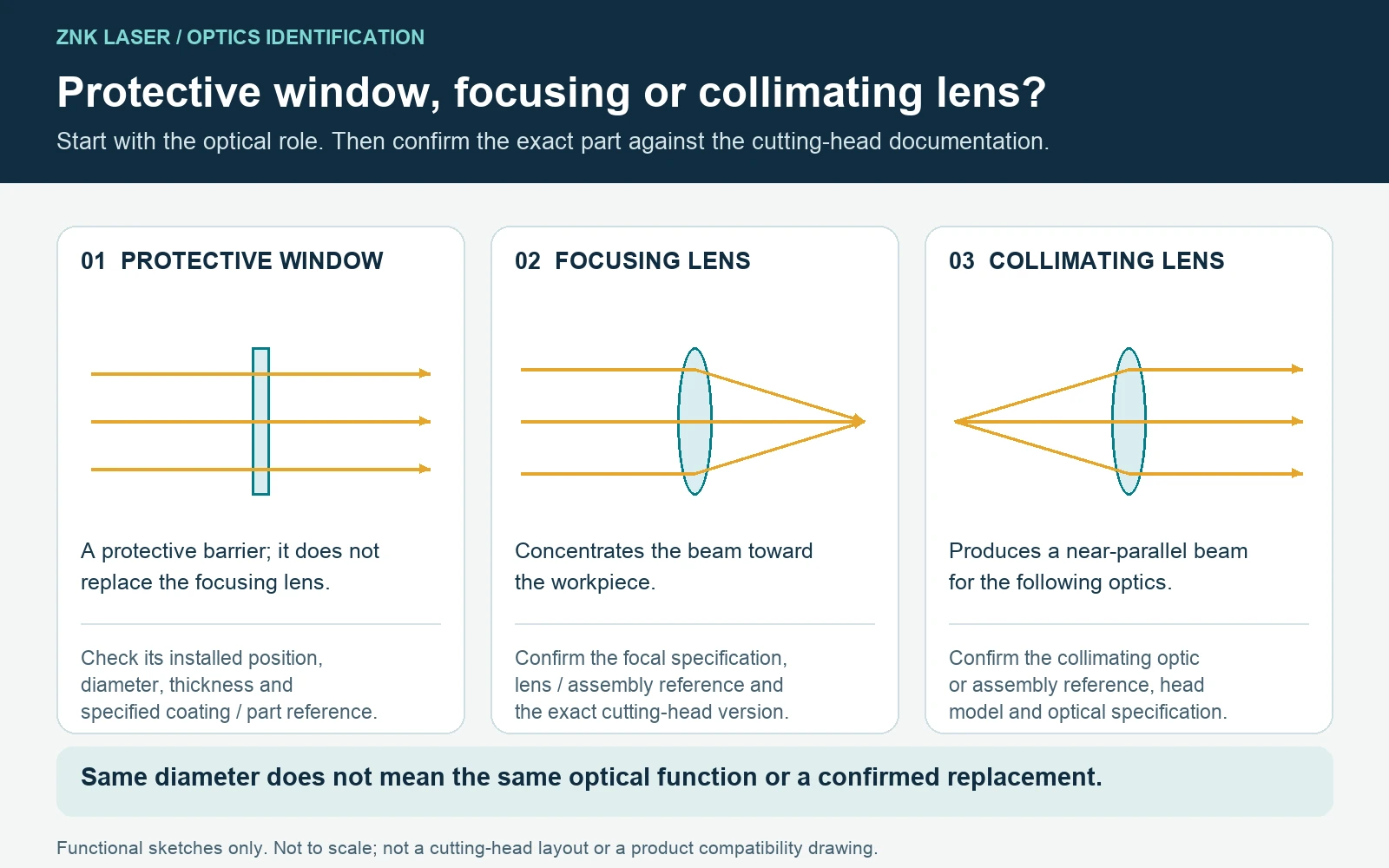
A protective window, a focusing lens and a collimating lens perform different jobs in a fiber laser cutting head. A matching outside diameter does not make them interchangeable. Identify the optical position and original part reference first, then confirm the dimensions and optical specification for the exact head model.
This guide is for buyers preparing a replacement-parts inquiry for a fiber laser metal-cutting head. It does not cover laser safety eyewear or lenses for every type of marking, engraving or CO₂ machine.
Open the full-size identification diagram to inspect the labels. The illustration explains identification only; it is not a dimensioned product or compatibility drawing.
Start with the optical function, not the word “lens”
Supplier listings sometimes use “laser lens” for several optical components. Before comparing products, ask which part the machine documentation calls for. The three main roles below are different, even when the parts appear to be similar clear discs.
| Component | Main role | Identification priority |
|---|---|---|
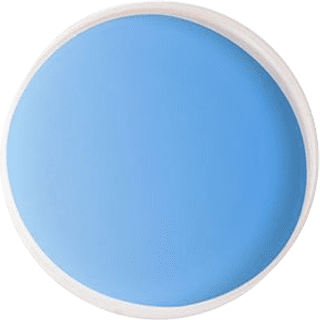
| Protective window / protective lens | Provides a protective optical barrier. Its location and the surfaces it protects depend on the head design. | Position in the head, original reference, diameter, thickness and specified coating. |
| Focusing lens or focusing assembly | Concentrates the beam toward the workpiece. | Head model and version, assembly reference, focal specification and other optical requirements. |
| Collimating lens or collimating assembly | Produces a near-parallel beam for the following optics. | Collimating assembly reference, head version and optical specification. |
A protective window cannot take the place of a focusing or collimating component. Likewise, the terms “upper” and “lower” describe locations within a particular head; they do not define a universal replacement size across brands and versions.
What diameter, thickness and focal length tell you
Diameter and thickness describe physical dimensions. Record the units and the order used in the original drawing. If a label contains two numbers without a legend, do not assume what they represent. Ask for the dimensioned drawing or the original packaging reference.
Focal length is an optical specification. A focusing or collimating assembly may also require a particular lens arrangement, coating and wavelength specification. A housing that fits mechanically does not establish that the optical assembly is correct.
Do not use a machine’s power alone as the part identifier. A power figure in a product title is also insufficient to confirm that a component is suitable for your head and operating conditions. Match the manufacturer’s part reference and specifications.
Five checks before requesting a replacement
- Identify the head. Photograph its nameplate and record the brand, complete model and any revision or serial information needed to distinguish versions.
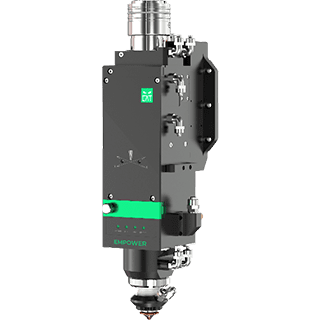
- Locate the component. Use the parts diagram to identify whether it is a protective window, focusing assembly or collimating assembly. Record the relevant position or drawer reference.
- Read the original reference. Photograph the packaging label, part marking or manual entry. Preserve the complete code, including suffixes.
- Record the specification. Include diameter and thickness where specified; add focal length, wavelength, coating or assembly information from the original documentation. Mark missing fields as unknown instead of estimating them.
- Explain the request. State the required quantity and whether you need a loose optical element, a mounted assembly or help identifying the part.
Use existing labels, documentation and safely accessible photographs wherever possible. Do not disassemble a sealed optical module just to obtain a photograph or measurement. Follow the head manufacturer’s handling procedure and use qualified service support where required.
A parts-inquiry template you can copy
Subject: Optical replacement inquiry — [head brand / model]
Head model and version:
Component type and position:
Original part or assembly reference:
Dimensions with units:
Optical specifications from the manual or label:
Loose element or mounted assembly:
Quantity:
Attached nameplate, label and component photos:
Details still unknown:
For example, “replacement protective window for the lower drawer; part reference and label photo attached” is more useful than “lens for a high-power laser.” The example describes the information to provide; it does not identify a particular SKU.
Frequently asked questions
Is a protective lens the same as a protective window?
Many fiber laser parts listings use both terms for a protective optical element. Confirm the actual role and location in the head documentation rather than relying on the listing name.
Can I use another lens with the same diameter?
Not on diameter alone. The optical role, thickness, coating, wavelength requirements, focal specification where relevant, mounting and original part reference must be checked.
Can a photograph confirm compatibility?
A photograph helps identify markings, shape and location. It does not show all optical properties or prove compatibility. Pair it with the head model, original reference and specification.
Find the right category and send the details
Browse protective lenses and windows or collimating and focusing optics. For a mixed parts list, use our fiber laser consumables buying guide.
Send an optical-parts inquiry with your head model and original reference. This website accepts inquiries; it does not accept online payment. Part selection and any quotation terms are confirmed individually.
Further reading: SENFENG’s explanation of focusing lenses and selection factors. For installation and a specific replacement, follow your own cutting-head manufacturer’s documentation.