
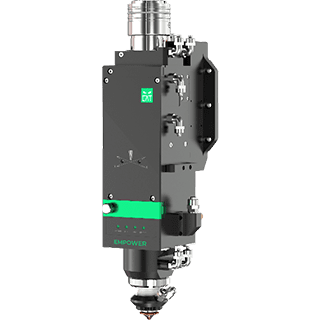
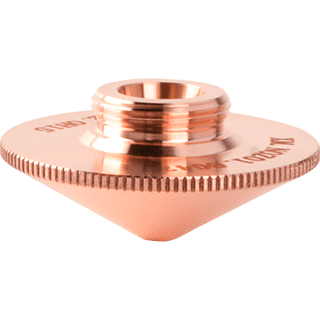
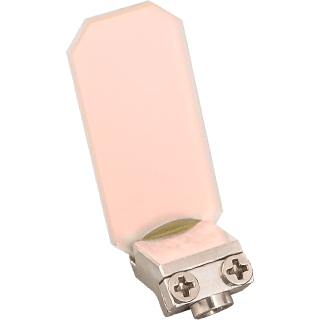
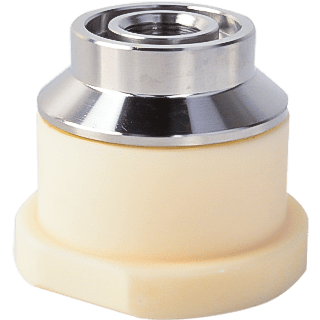
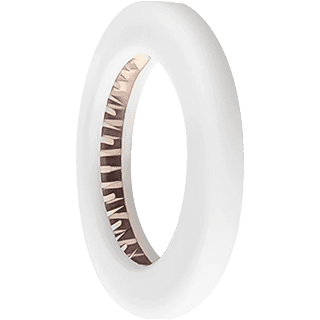
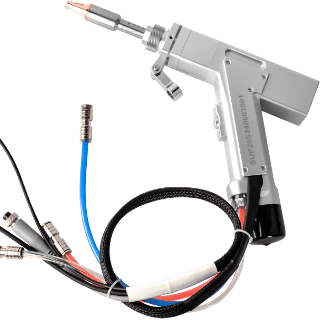
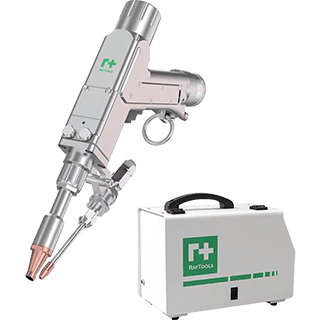
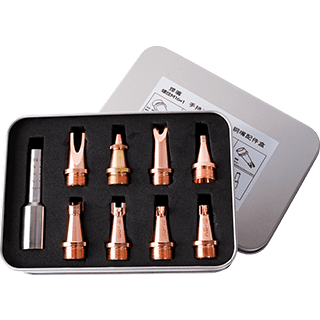
To buy replacement fiber laser consumables, identify the exact cutting head and original part before comparing suppliers. A useful inquiry includes the part reference, relevant dimensions, photographs, quantity and equipment details. A familiar brand name or similar appearance is not enough to confirm a match.
This guide helps you prepare a replacement-parts list for a specification check and quotation. It does not replace the equipment manufacturer’s maintenance or installation instructions.
Start with the head model and the original part
Record the machine brand, cutting-head model and any version or part number on the label. If the head has been replaced or modified, identify the head currently installed rather than relying only on the machine name. Photograph the original component and its packaging, drawing or label where available.
List different components separately. A nozzle, ceramic ring, protective window and focusing-lens assembly need different identification information; one shared machine name does not establish compatibility for the whole list.
What to check for each consumable
| Part | Information to include |
|---|---|
| Cutting nozzle | Outside diameter, overall height, thread, bore opening and single- or double-layer design. |
| Ceramic ring | Maximum diameter, height, thread and clear photographs of both mating faces. |
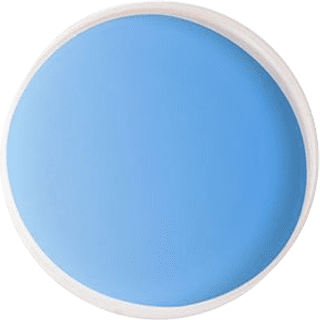
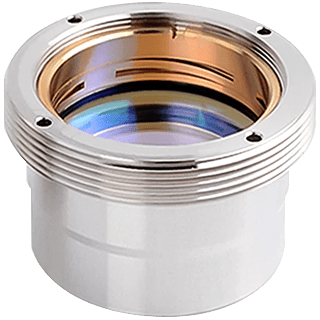
| Optical part | Original reference, position in the head, diameter and thickness; add focal length and other optical specifications when stated in the original documentation. |
| Holder or related component | Complete assembly reference, mounting details and a photo showing how the component is installed. |
Why size alone is not a compatibility check
Parts with similar names can use different interfaces. For example, FINNLASER’s reference records include ceramic rings described as D28-M11 and D28-M12, and D32 entries with different threads. These are examples of why the diameter must be checked together with the thread and exact head reference; they are not a universal compatibility chart.
For optics, identify the protective window, collimating lens or focusing component from the original parts list. Do not substitute a part based only on a matching diameter or a power label in a product name. Send the drawing or reference for review when the optical specification is unclear.
Build a quotation list that can be checked
- Give each requested item its own line with the product link or original reference.
- Add the head model, dimensions and units. Mark unknown fields as unknown rather than estimating.
- Attach clear photos or a drawing through an agreed contact channel if the part cannot be identified from text.
- State the quantity needed for each item and whether you need a complete assembly or a component.
- Include your company contact and country so the inquiry can be reviewed in context.
Ask for written confirmation of the quoted specification before agreeing to an order. Confirm material, coating, authenticity or authorized-source requirements separately when they matter to your application. Price, availability, delivery arrangements and any after-sales terms need confirmation for the specific quotation.
Detailed identification guides
For an optical request, compare protective windows, focusing lenses and collimating optics before choosing the part category. For a seal request, use the cutting-head sealing ring identification checklist to record its profile, original reference and labeled dimensions.
Browse parts and send an inquiry
Use the fiber laser nozzle category, laser lenses and protective windows and ceramic ring category to prepare your list. The nozzle selection guide explains the identification checklist in more detail.
Request a specification check and quotation. This website currently accepts inquiries only; online payment and shipping are not available.