

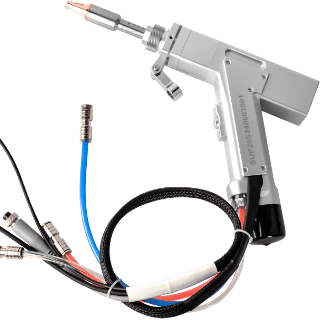
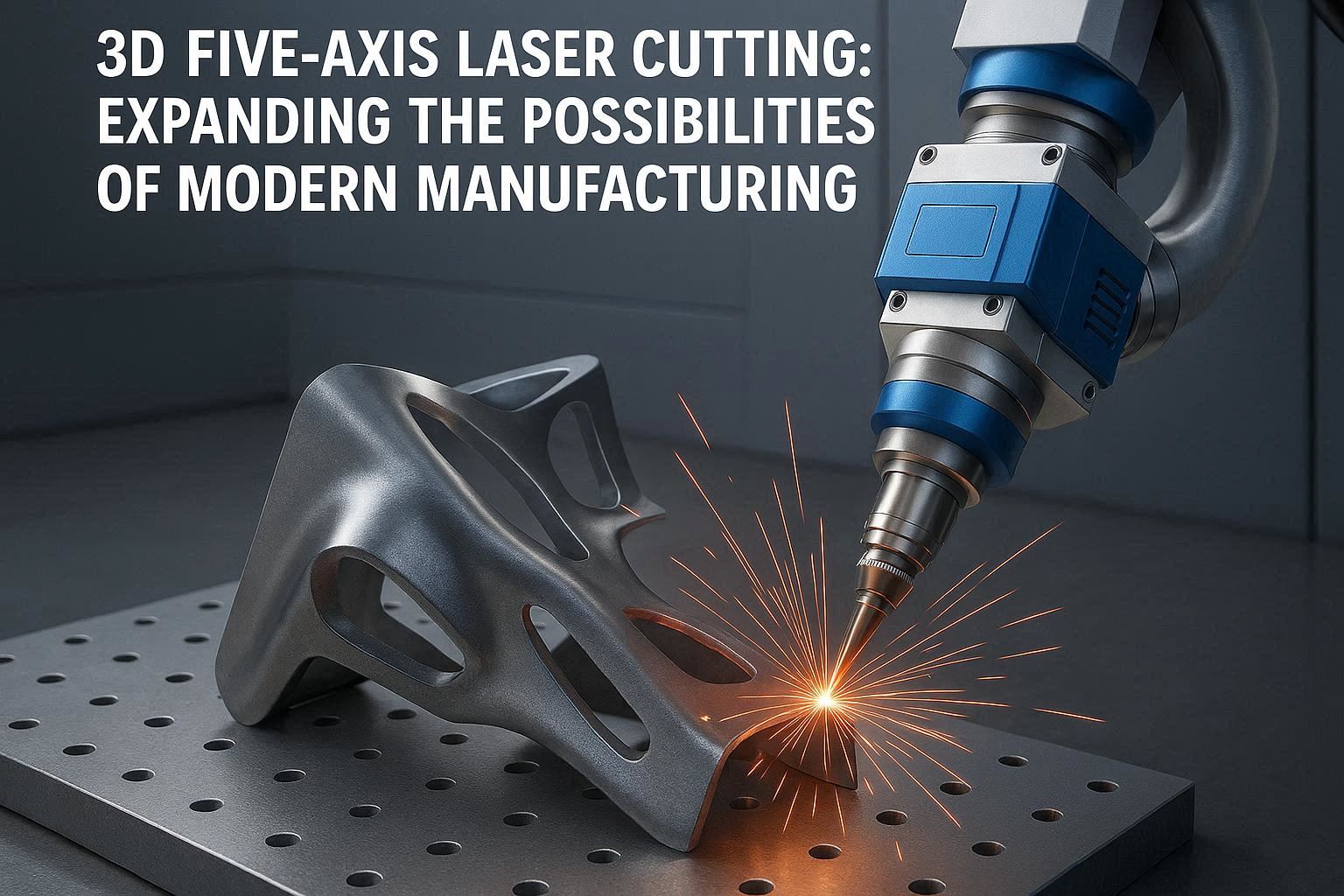
3D laser cutting is used to cut contours, trim edges and create openings in three-dimensional components. Five-axis processing adds controlled tool positioning and orientation for the required cutting path. Whether a particular part can be processed depends on the machine’s travel, tool access, fixture and validated process, as well as the part geometry.
For a buyer, the useful starting point is the finished part and its acceptance requirements. The term “five-axis” alone does not specify cutting capacity, accuracy, material range or production rate.
Where three-dimensional cutting is used
Formed automotive parts are one documented application. In its TruLaser Cell 5030 application examples, TRUMPF describes cutting vehicle body components, making openings and trimming deep-drawn parts. These are examples of the process category, not specifications for every five-axis machine or a statement that FINNLASER supplies that manufacturer’s equipment.
A project may involve trimming an already formed edge, cutting openings on several surfaces, or changing the contour between part versions. The actual geometry must be reviewed on the intended equipment. A flat-sheet cutting example does not establish that a machine can reach the same contour on a formed component.
Check access, fixtures and the complete cycle
Share a 3D model or drawing through an agreed contact channel and identify the cut features and reference surfaces. Ask the equipment supplier to review tool access, clamping, collision clearance and how the part will be located and unloaded. Include any variation in the incoming formed parts.
Compare the complete production cycle for your part, including loading, locating, cutting, unloading and inspection. If cycle time or accuracy is important to the purchase decision, agree how it will be measured on representative samples. A generic machine headline is not a substitute for a part-specific acceptance test.
What to put in an equipment inquiry
- Material, grade, thickness and the condition of the incoming part.
- Overall dimensions, 3D model or drawing, and the contours or openings to be cut.
- Required tolerances, edge condition and inspection method.
- Expected batch size, product variants, loading method and production schedule.
- Available utilities, floor space, extraction requirements and integration constraints.
- Representative samples and a proposed acceptance procedure where relevant.
Use these details to ask for a technical review before selecting a machine configuration. Power, travel, accuracy, achievable cycle time, installation scope and service arrangements need confirmation for the specific offer.
Replacing consumables on an existing 3D head
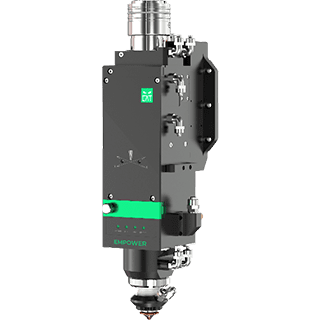
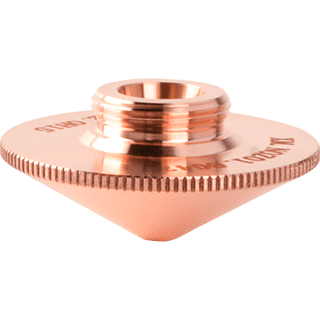
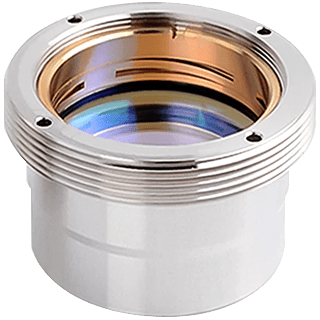
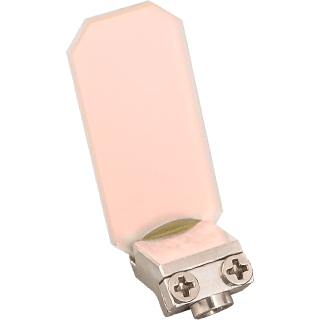
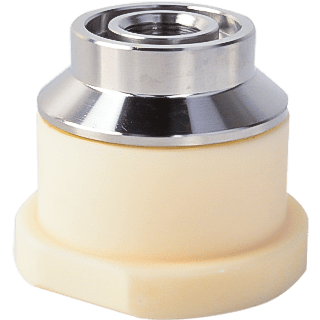
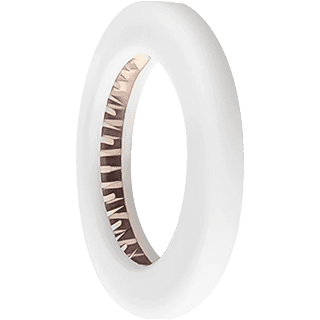
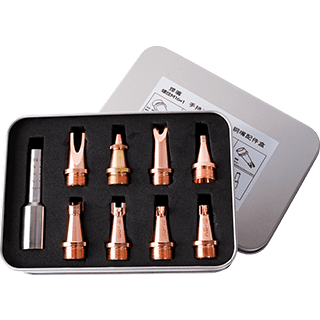
For a parts inquiry, identify the installed cutting head and the original component reference. “3D” or “five-axis” is not a nozzle, ceramic ring or lens specification. Include the head label, mounting details, dimensions, photos and required quantity.
Browse laser cutting nozzles and collimating and focusing lenses, and use the consumables buying checklist to organize the references. Parts must be checked against the exact head and application before an order is agreed.
Discuss your project requirements
See the laser cutting equipment category or send a project or replacement-parts inquiry. State whether you need equipment evaluation or parts for an existing system so the request can be reviewed with the right information. This website currently accepts inquiries only; online payment and shipping are not available.
Process example source: TRUMPF TruLaser Cell 5030 — Applications, accessed October 27, 2026. Manufacturer examples are cited for context and do not establish FINNLASER’s supply, authorization or performance claims.