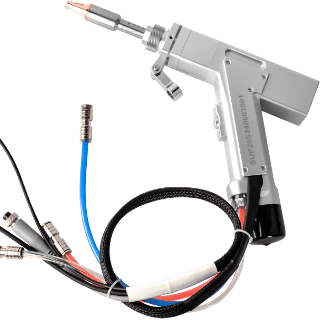
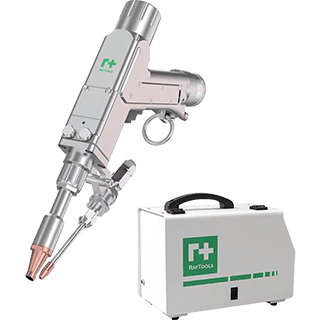
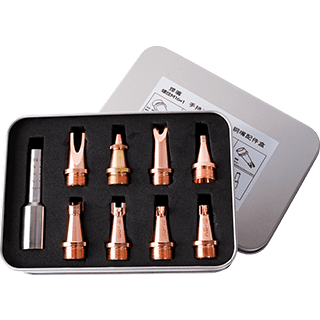
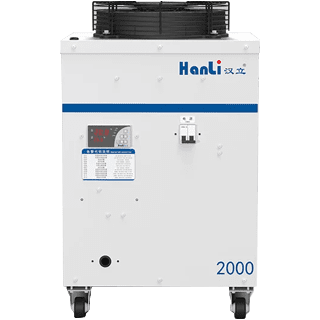
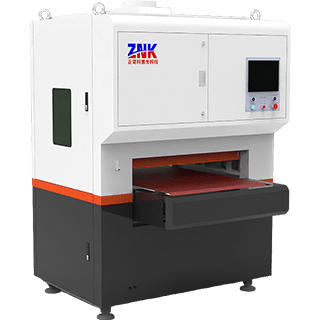
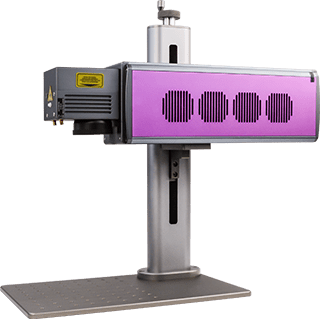
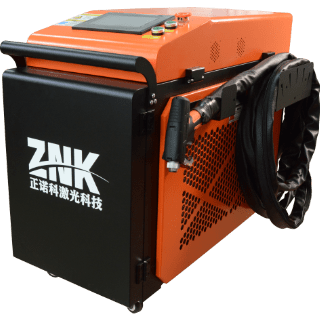
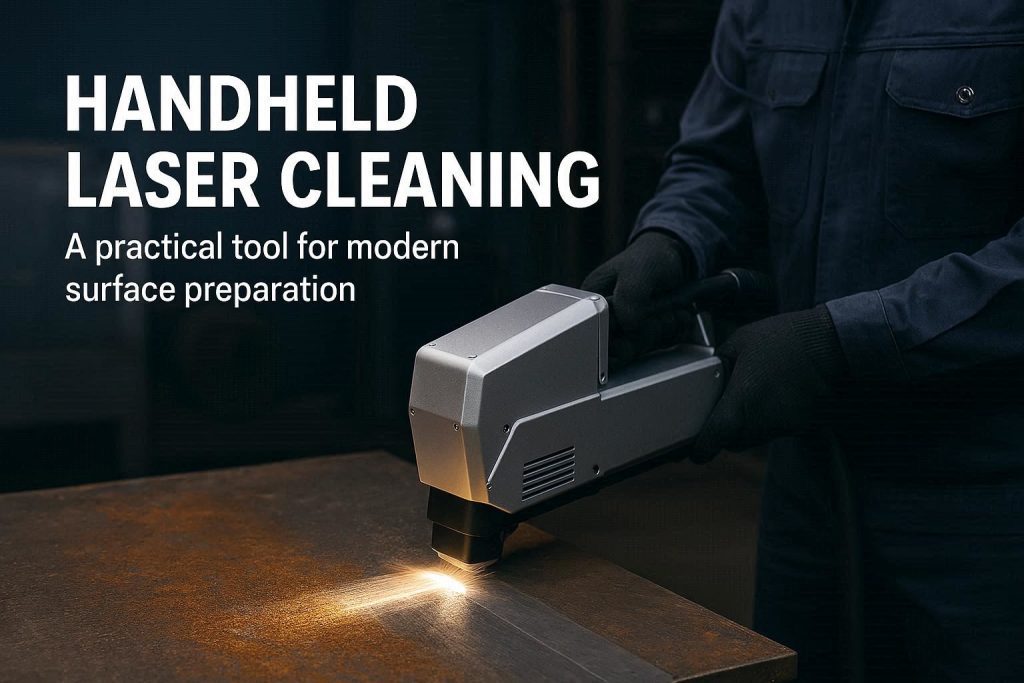
Handheld laser cleaning uses a scanned laser beam to remove unwanted material from a surface. Rust, paint and oxides are common application targets, but a successful result depends on the layer being removed, the underlying material and the condition required for the next manufacturing step. Start with those requirements before comparing machines by rated power.
Define what “clean” means for your part
Separate the removal task from the acceptance requirement. Removing visible rust, stripping a coating and preparing a joint for welding are different requests. Write down what must be removed, what must remain and which areas must be protected.
For welding preparation, mark the joint location and required cleaning band on a drawing or photograph. Ask the welding engineer to define the acceptable condition before the next operation. A bright-looking surface alone is not an agreed welding qualification or coating-adhesion result.
| Application | Details to send | Result to agree |
|---|---|---|
| Rust and oxide removal | Base metal, corrosion condition, treated area and close-up photographs. | Residual contamination, acceptable appearance and permitted surface change. |
| Paint or coating removal | Coating identity, known layer thickness and whether complete or selective removal is required. | Remaining coating, edge of the treated zone and condition of the substrate. |
| Welding or bonding preparation | Joint drawing, process sequence and the engineering specification for the next step. | Inspection or qualification method and the permitted interval before the next operation. |
| Repeat maintenance work | Part geometry, access restrictions, batch size and the range of incoming conditions. | Repeatability across representative parts and the complete work cycle. |
Compare the process configuration, not only watts
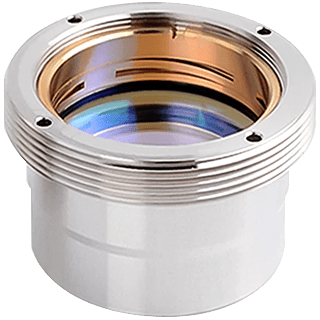
Ask which laser operating mode, scanning head and control options are proposed for your application. Request an explanation of why that configuration is suitable for the particular substrate and contamination. Do not choose a pulsed or continuous-wave system from its label alone.
If cleaning is offered as a function of a multifunction machine, ask for the exact cleaning configuration: source, head, optics, controls and operating documentation. A welding product listing does not by itself establish the cleaning setup or its performance on your part.
Agree a representative sample evaluation
Where a trial can be arranged, use material that represents the actual job. Label the substrate, coating and incoming condition, and retain an untreated comparison area. Record which equipment and configuration produced each sample. Ask who will carry out the evaluation and how the result will be documented.
Review the result against a written checklist: removal achieved, condition of the substrate, treated boundaries and any remaining residue. For a surface that will be welded, bonded or coated, include the relevant downstream assessment rather than accepting appearance alone.
Compare the full task time. Request separate figures for handling, positioning, cleaning, inspection and any additional preparation. A short demonstration on an easy patch does not establish production throughput for a mixed batch.
Include installation and operating requirements
Ask for the proposed installation layout, access controls, laser safety assessment, extraction requirements and operator training. Have the responsible site specialist review the equipment and the materials being removed before operation. Include these items in the project scope when comparing quotations.
State whether the work is on a bench, a large assembly or a part with restricted access. Provide photographs of the workspace and explain how parts will be supported and moved. This lets the supplier address the actual working arrangement in the proposal.
Prepare a cleaning inquiry
Use the checklist below for an initial discussion. Mark unknown information as unknown and attach any available coating or material documentation. Ask for an application-specific proposal and an agreed evaluation plan before accepting capacity or surface-quality claims.
Laser cleaning inquiry
- Task: [rust / oxide / paint / other layer; full or selective removal]
- Substrate and coating: [material, grade, known thickness and condition]
- Part and access: [dimensions, treated area, photos and workspace]
- Required finish: [acceptance criteria and next manufacturing step]
- Workload: [parts or area per batch and expected schedule]
- Evaluation: [sample availability and required inspection report]
Frequently asked questions
Can one setting be used for every part? Ask for a documented process for each relevant material and contamination condition. Treat a change in substrate or coating as a reason to review the evaluation.
Does laser cleaning guarantee a surface is ready to weld? Readiness must be checked against the welding procedure and agreed acceptance criteria. Include the next manufacturing operation in the evaluation.
What if the coating is unknown? Identify it before arranging a trial. Send available material records and explain the uncertainty so the responsible specialists can assess the proposed work.
Related reading and inquiries
Technical reference: IPG Photonics: laser cleaning and surface preparation. This reference explains a process; its equipment specifications are not FINNLASER product specifications.
Discuss a laser cleaning application. Include the information above so the proposed scope can be reviewed for your application.
FINNLASER accepts inquiries. This website does not offer online payment or shipping; any order terms must be confirmed separately.