

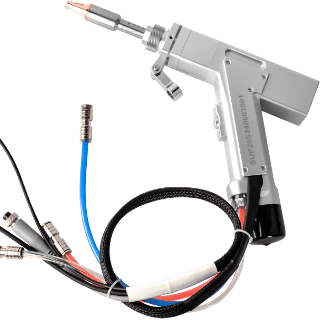
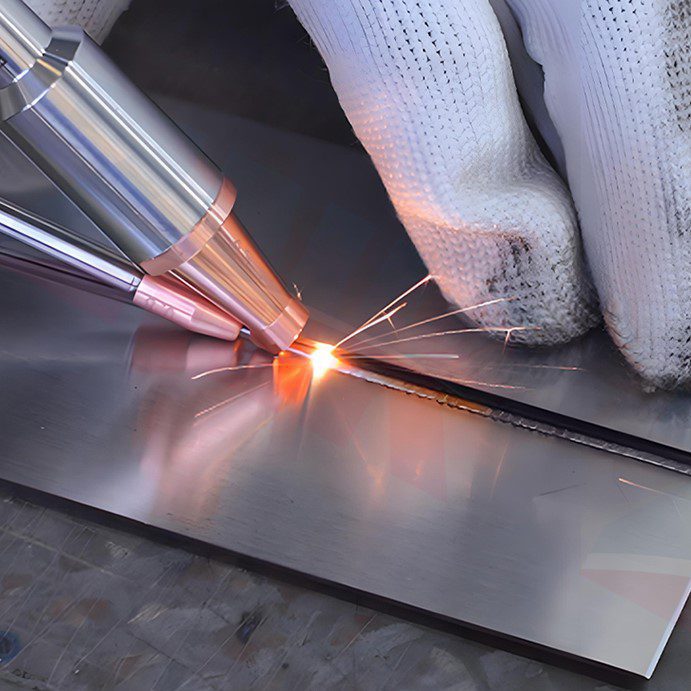
Handheld laser welding can be considered for metal fabrication work that needs a movable welding head and access to varied joints. Choosing a suitable system starts with the workpiece and production conditions, not a power rating alone. This guide brings together the equipment and consumable questions to resolve before buying a machine or replacing a welding head.
Start with a representative welding task
Prepare a description of the actual job: material grade, thickness, joint type, fit-up, access, appearance requirements and expected production schedule. Include coatings or surface conditions that may affect the process. A flat demonstration sample is not necessarily representative of a corner, enclosure or difficult-to-reach joint.
Ask for a sample trial that reflects your application and agree on the acceptance criteria. Appearance alone cannot establish joint strength or suitability. Where the work requires inspection or qualification, specify those requirements before selecting equipment. This article does not assign a universal weldable thickness, speed or power level.
Understand the complete system
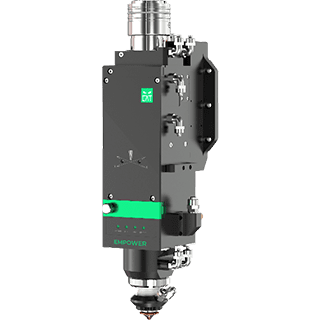
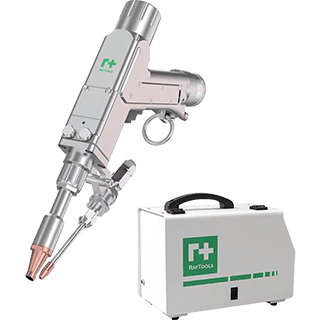
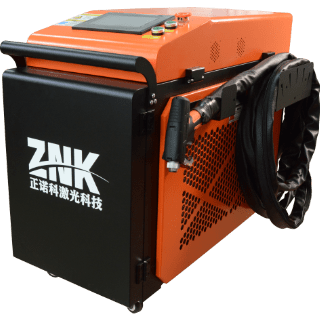
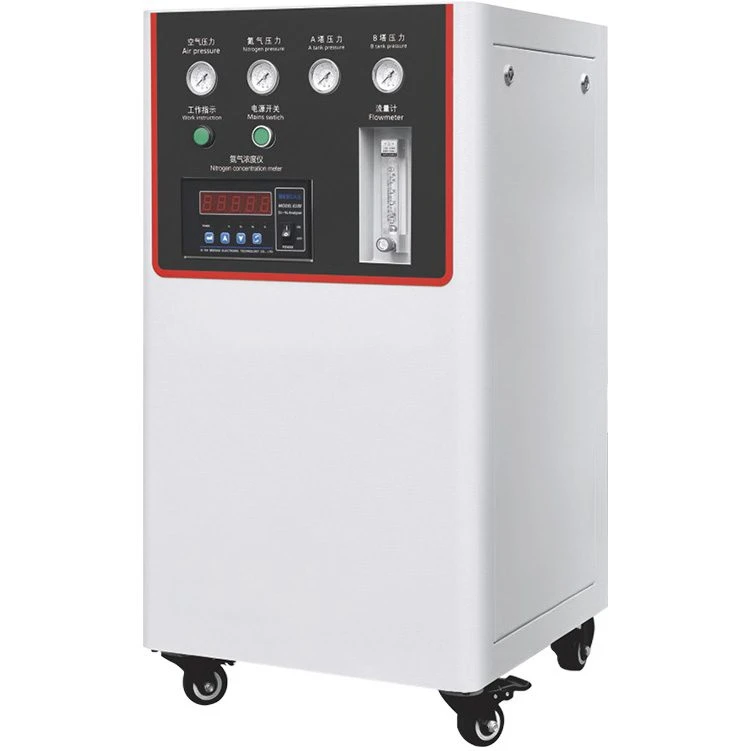
Our product reference lists a laser source, welding head, cooling equipment and wire feeder among the main components of a laser welding setup. The actual supplied configuration must be checked with the machine specification: a head replacement is not the same purchase as a complete working machine, and a wire feeder is not automatically included.
- Complete machine: confirm the source, controls, head, cooling arrangement and supplied accessories.
- Head replacement: check source/interface requirements, controller support and the exact head version.
- Wire-feed equipment: confirm whether the intended process needs it and which feeder, wire sizes and guide components are supported.
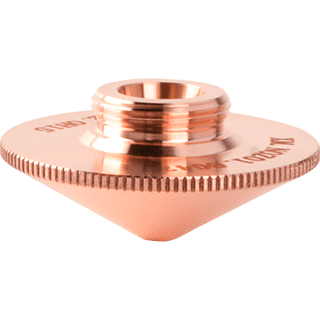
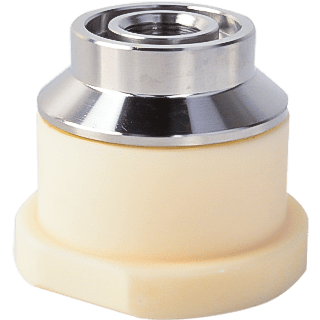
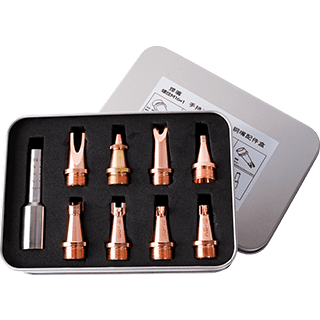
- Consumables: identify the nozzle, protective windows, seals and other service parts for the supplied head.
Check cooling and workshop requirements
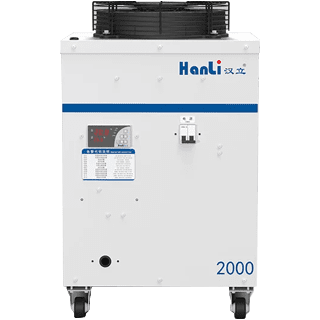
When comparing air-cooled and water-cooled equipment, ask for the operating limits of the complete machine. Confirm ambient conditions, expected duty cycle, electrical supply, cooling maintenance and space requirements. The cooling label alone does not establish continuous operating capability or make one system the right choice for every workshop.
Also confirm the required gas supply, cable reach, workpiece handling and service access. Record these requirements before arranging a demonstration or requesting a quotation so that the proposed configuration can be assessed against your site.
Match spare parts to the exact head model
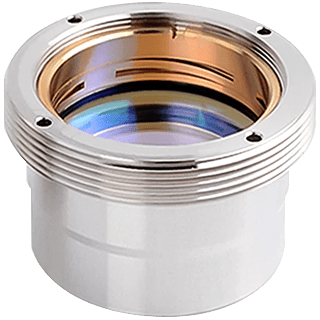
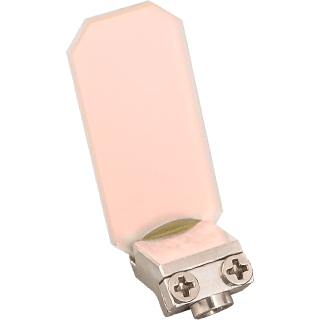
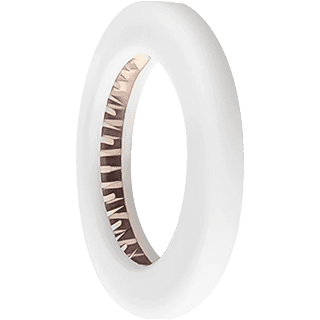
Our handheld-welding reference separates protective windows, reflecting optics, collimating optics, focusing optics and their seals. Those are different components; a shared brand name does not make them interchangeable.
For example, the Relfar reference lists protective-window entries of 25 × 2 mm for FWH30-D10A and 20 × 2 mm for FWH20-S20A. These are model-specific reference dimensions, not a compatibility guarantee. Confirm the current head revision, the window position, the part number and the approved specification before ordering. Matching diameter and thickness alone does not verify the required optical specification.
Keep a clear record of the installed head nameplate and the approved consumable list. Do not substitute a nozzle, lens or seal solely because it looks similar to the old part. Optical inspection and replacement should follow the manufacturer’s service instructions.
Include safe operation in the purchase decision
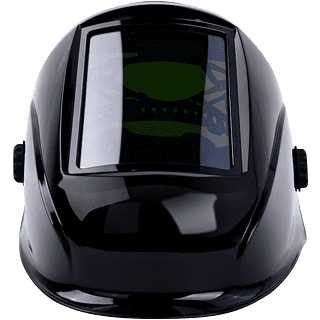
Handheld laser welding requires a suitable controlled work area, protection for the operator and bystanders, management of reflected beams, and appropriate fume controls. Arrange the laser-safety assessment, protective equipment and operator training for the actual machine and application. Mobility of the head does not remove these requirements.
A useful inquiry checklist
- Material, thickness range, joint drawings and representative samples.
- Quality criteria, inspection requirements and production schedule.
- Available electrical supply, workshop conditions and cooling preference.
- Required reach, wire-feed needs and existing equipment interfaces.
- Exact head model/version when buying replacement parts.
- Requested training, documentation and service arrangements.
Frequently asked questions
Can a new welding head be fitted to any existing machine?
No universal fit should be assumed. The source connection, controls, cooling, operating limits and manufacturer requirements must be checked together.
Can one consumable kit cover every model from the same brand?
Do not assume it can. Confirm each item against the exact model and revision, including its location within the head.