



A flat steel laser cutting inquiry should first say what “flat steel” means: sheet or plate used to nest parts, or flat bar supplied as strip stock. These starting forms create different questions about handling, support and usable material. Define the actual stock and finished part before comparing equipment power or advertised maximum thickness.
Start with the material form and grade
Record the steel grade from the material specification. Include the stock thickness and its specified variation, surface condition, coatings and any material certification required by the project. Identify whether the work uses full sheets, plate blanks or flat bar.
For sheet or plate, provide blank width, length and weight. For flat bar, provide width, thickness and stock length, plus the required cutting orientation. Ask how the proposed equipment will locate and support that form throughout the job; a large bed size alone does not resolve every workholding question.
Separate a cutting capability claim from production acceptance
Metal laser cutting uses a focused beam in a thermal separation process. IPG Photonics describes laser parameters and process-gas delivery as parts of the cutting system. An equipment proposal therefore needs to identify the material, configuration and conditions behind any sample result.
Ask for representative results on the required grade and thickness. Define the acceptable edge, dimensions and delivered condition before accepting a “can cut” claim. Do not treat a demonstrated separation of material as approval for every hole, corner or downstream operation on the production drawing.
| Requirement | Information to provide | Acceptance question |
|---|---|---|
| Starting stock | Grade, sheet/plate/bar form, dimensions, weight and surface condition. | How will this exact stock be loaded, located and supported? |
| Drawing features | Revision, outline, holes, slots, radii, datums and dimensional tolerances. | Which features must be demonstrated in the sample? |
| Cut edge | Required burr condition, edge finish, squareness and permitted finishing. | How and where will the edge be measured or inspected? |
| Next operation | Welding, bending, coating or assembly requirements. | What preparation or inspection is needed after cutting? |
| Production task | Part mix, quantities, nesting constraints and handling arrangement. | What is the complete time per accepted part or batch? |
Agree the drawing and edge inspection plan
Attach a dimensioned drawing with a revision number and the digital file format accepted by the supplier. Mark the dimensions that matter to assembly. Identify whether a hole or slot is accepted directly after cutting or will be finished by another operation.
Agree how to inspect the cut edge and which faces or locations are included. If a project requires a named standard or customer specification, send its reference and applicable acceptance requirements. Do not replace a contractual requirement with a general description such as “smooth” or “high precision.”
For welded structures or other regulated projects, have the responsible engineer confirm the required material records and fabrication acceptance. This application guide is not a shipbuilding, structural or welding certification for a machine or finished part.
Review support, nesting and the full production cycle
Ask the supplier to explain the proposed support and workholding for the actual stock form, including narrow strips, cutouts and finished parts. Include the loading method, unloading route, remnant handling and available floor space in the equipment discussion.
Provide the expected mix of part sizes and quantities. Request material-use and cycle-time estimates for that mix, with the assumptions stated. Include programming, loading, cutting, part removal, inspection and any deburring or finishing needed to reach the agreed delivered condition.
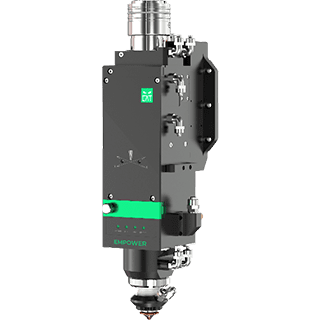
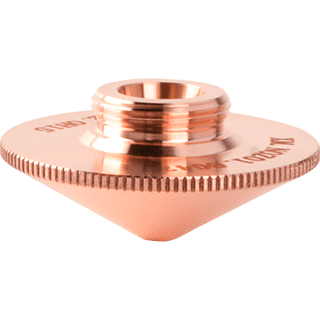
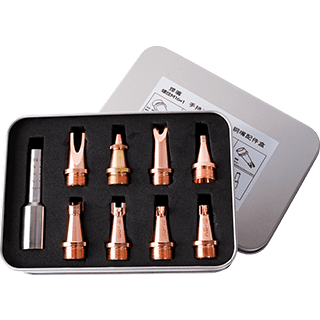
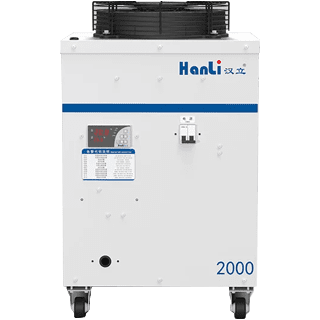
Ask the proposal to identify the included source, cutting head, process-gas arrangement, controls and utilities. Consumables should be identified against that exact head and process documentation; a nozzle dimension alone is not a complete process specification.
Evaluate a representative sample
Select a sample that includes the critical features, rather than only an easy straight cut. Retain its material identity, thickness, drawing revision and configuration record. Compare the inspection report with the agreed dimensional and edge criteria.
Where fit or a downstream process is critical, include that check before approving the equipment scope. Keep the accepted sample and written conditions with the quotation so later discussions use the same baseline.
Flat steel cutting inquiry
- Material: [steel grade, certification requirement and surface condition]
- Stock form: [sheet / plate / flat bar; dimensions, weight and variation]
- Part: [drawing revision, file, datums and critical features]
- Delivered condition: [edge and dimensional acceptance; finishing allowed]
- Production: [part mix, batch quantities and loading constraints]
- Evaluation: [representative sample and downstream checks]
Frequently asked questions
Does flat steel always mean steel plate? Clarify the starting form. A request for flat bar should include its width and stock length as well as thickness.
Can I select the machine from maximum thickness alone? Request the conditions behind that figure and sample evidence for the drawing features and finish you require.
What should be confirmed before a production quotation? Align the material, drawing revision, delivered condition, inspection method and complete equipment scope.
Related reading and inquiries
Technical reference: IPG Photonics: laser cutting process overview. This reference explains a process; its equipment specifications are not FINNLASER product specifications.
Send a flat-steel cutting inquiry. Include the information above so the proposed scope can be reviewed for your application.
FINNLASER accepts inquiries. This website does not offer online payment or shipping; any order terms must be confirmed separately.